“`html
The Key Elements of Web Servers Explained
In today’s digital era, web servers play a crucial role in delivering websites and web applications to users across the globe. From handling HTTP requests to ensuring smooth communication between parts of the Internet, these powerful tools are a cornerstone of the online experience. This blog post delves into the fundamental components of web servers, exploring how they function and the various types available. Whether you’re a tech enthusiast or simply curious about the machinery powering the web, this guide provides a comprehensive overview. We will look into what a web server is, the mechanics behind its functioning, the integral components that make it tick, and the types of web servers in use today. Finally, we’ll reflect on future prospects in the world of web servers.
What is a Web Server?
A web server is a combination of software and hardware that uses HTTP and other protocols to respond to client requests made over the World Wide Web. Its primary purpose is to serve content and deliver services to users while maintaining security, speed, and data integrity. A web server performs multiple tasks, including hosting websites, running enterprise applications, and even handling gaming servers.
On the hardware side, a web server is a computer that stores web server software and a website’s component files, such as HTML documents, images, CSS stylesheets, and JavaScript files. On the software side, the web server includes several parts that control how web users access hosted files. At its core, the web server processes incoming network requests over HTTP and several other related protocols.
How Does a Web Server Work?
When a user enters a URL into their web browser, the browser sends a request to the web server that houses the website. This process involves DNS resolution, which translates the domain name to an IP address leading to the correct server. Once the server receives the request, it processes it by retrieving the requested documents and resources, before sending them back to the browser.
The web server functions using protocols like HTTP/HTTPS and operates primarily through a request-response model. This means every time the server receives a request for a web page, it sends back the requested file(s) to the client’s browser. Apart from serving static content, web servers can also generate dynamic content by utilizing server-side scripting languages such as PHP, Python, and Ruby.
What are the Components of a Web Server?
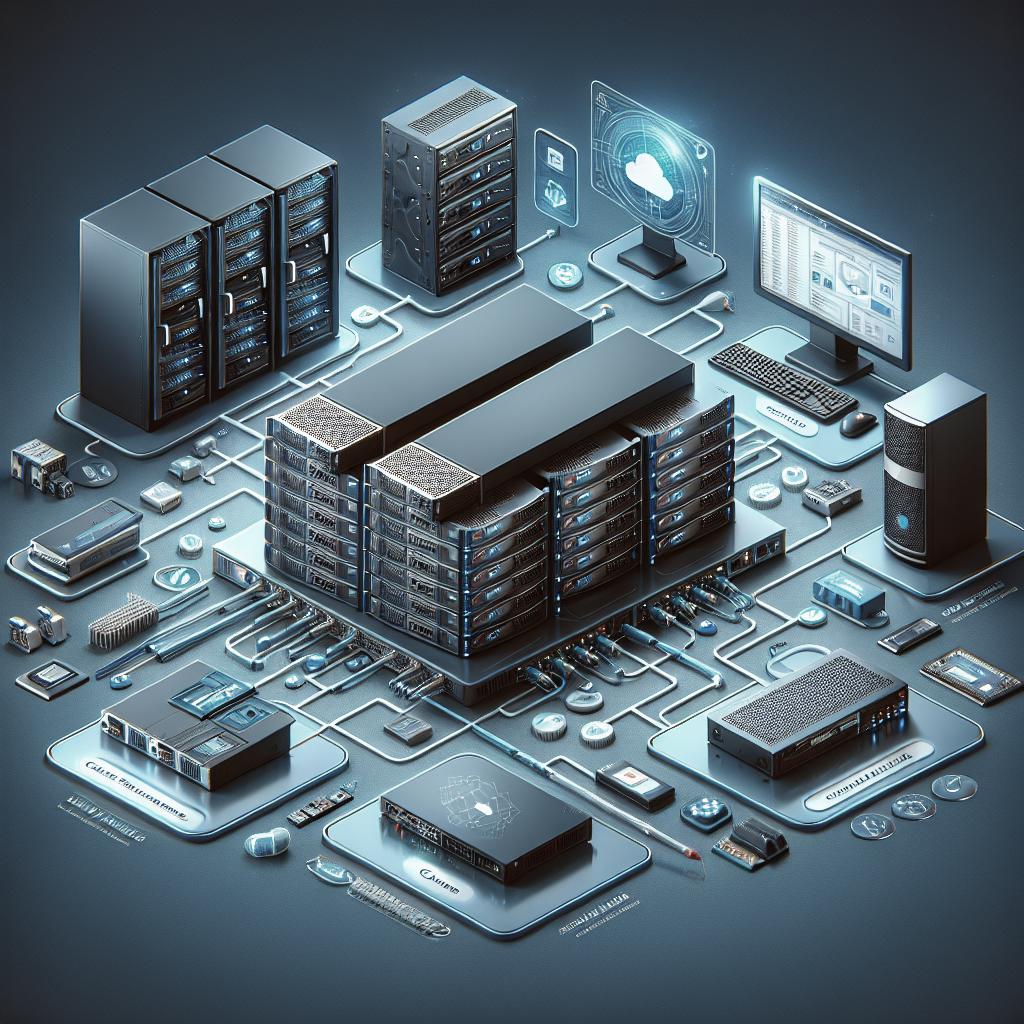
The core components of a web server include hardware, an operating system, web server software, and networking components. The hardware includes the physical machine that powers the server, which can vary from a basic desktop setup to an enterprise-grade infrastructure. The operating system, often Linux or Windows-based, manages the server’s resources and enforces security protocols.
Web server software, such as Apache, Nginx, or Microsoft IIS, is where the actual functionality of the server occurs. It handles HTTP requests and delivers files and web pages to clients. Networking components, including routers and switches, ensure that data packets are efficiently routed between the server and client devices.
Additional important components can include server-side scripting support, database connectivity, and security features like firewalls and encryption. Together, these elements allow a web server to operate efficiently, ensuring the swift and secure delivery of content to users worldwide.
What are the Types of Web Server?
Web servers can be broadly categorized based on the software they run and their intended use. Some of the popular types include Apache HTTP Server, Nginx, and Microsoft Internet Information Services (IIS). Apache is renowned for its simplicity and flexibility, making it a popular choice for many websites. Nginx is known for its performance and ability to handle a large volume of connections simultaneously, making it suited for high-traffic websites.
Microsoft’s IIS integrates deeply with other Microsoft technologies and is a popular choice among enterprises using Windows servers. Besides these, there are other web servers, such as LiteSpeed, which offers high performance, and Caddy, known for its ease of use with HTTPS and automatic SSL provisioning.
Each type of server comes with its advantages and is selected based on specific needs and performance criteria. Understanding these types helps in selecting the right server for the right application, ensuring efficiency and reliability in serving content.
Future Prospects of Web Servers
As the digital landscape evolves, web servers are set to become more advanced, integrating AI and machine learning for better traffic load management and security enhancements. With the rise of cloud computing, the scalability and flexibility of web servers will continue to improve, allowing businesses to adapt quickly to changing web demands.
Serverless architectures and edge computing also represent the future of web servers. These technologies reduce the need for traditional server management and bring computational power closer to the data source, decreasing latency and improving performance.
The demand for optimized web server solutions is bound to present new challenges and opportunities for innovation, ensuring web servers remain a critical component of the Internet infrastructure as we move towards a more connected world.
| Segment | Details |
|---|---|
| Definition | Web servers handle requests and deliver content using HTTP protocols. |
| Functioning | Operations involve handling requests and serving static/dynamic content. |
| Components | Includes hardware, OS, web server software, and networking components. |
| Types | Apache, Nginx, IIS, and others, each with unique advantages. |
“`